
 By amy.smelser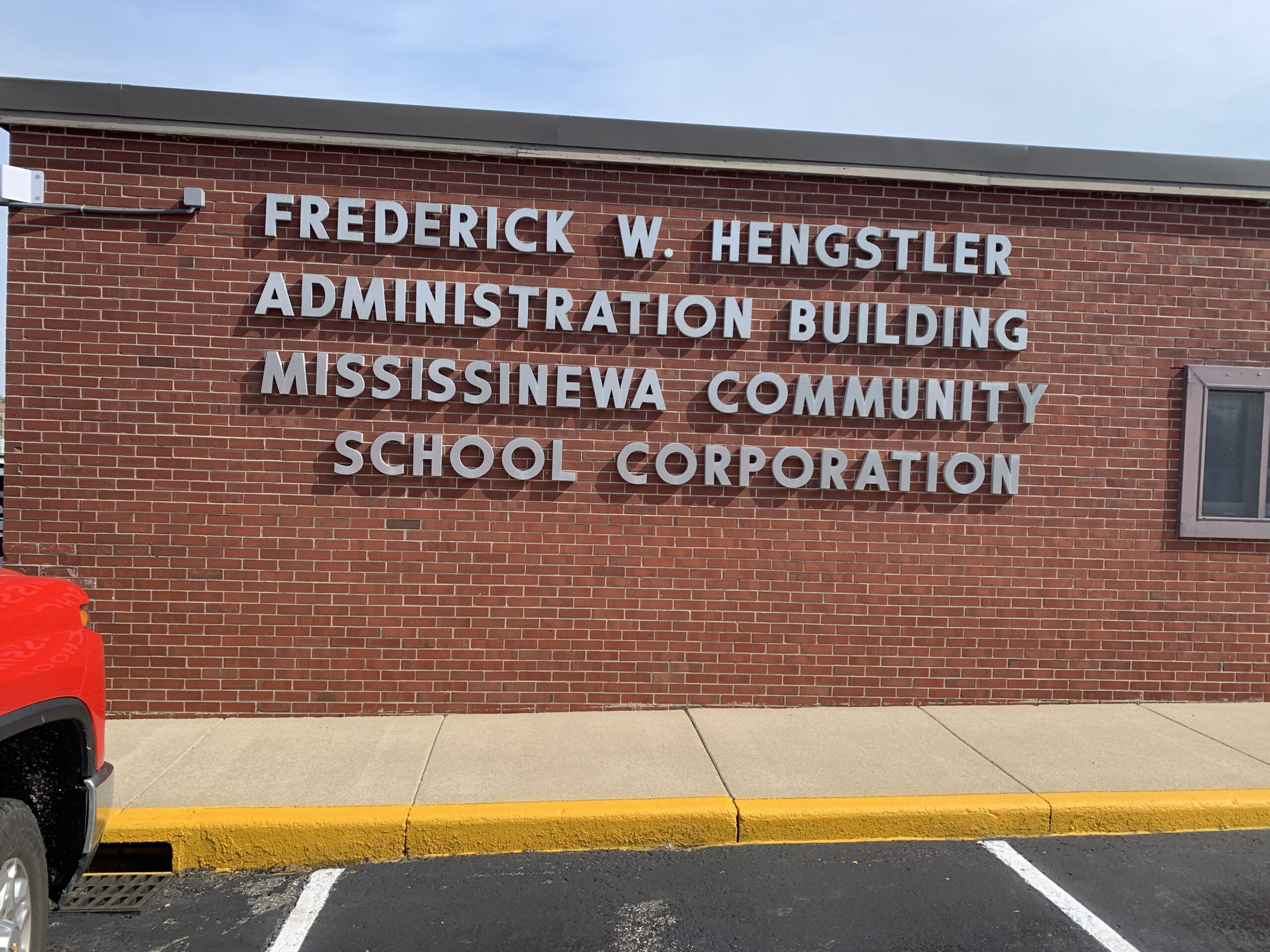
Oak Hill and Mississinewa School Corporations are each proposing Operating Referendums on this year’s general election ballot in order to supplement funding and maintain basic services that the schools provide to their students.
The schools proposed the referendums as a result of Senate Enrolled Act 1, which began reducing property taxes for Indiana residents at the beginning of 2026. These reductions in property taxes will lead to a decrease in funding for public schools’ operations funds, causing public schools to face significant deficits.
“If the community as a whole votes no… we have to make these cuts. We have to cut transportation. We have to cut some staffing. We’re going to have to cut K through eight extracurriculars because we have to cut $2 million from our budget over the next several years,” Dr. Jeremy Fewell, the superintendent of Mississinewa, said.
Dr. Sheri Hardman, the superintendent of Oak Hill, mentioned reductions to transportation as well if Oak Hill’s Operating Referendum was not passed. Both superintendents discussed merging school buildings in order to reduce the total number of schools across elementary, middle, and high school.
The Mississinewa Operating Referendum is requesting an increase in property taxes that would ultimately provide the school with up to $2 million dollars annually that it’s projected to lose. Dr. Hardman said Oak Hill is planning on starting smaller in the hopes that legislation will be adjusted and keep Oak Hill’s deficit from reaching the size of its long-term projections.
Tax Increment Financing(TIF) districts also factor in. Both Mississinewa and Oak Hill school districts contain a TIF district, although the TIF in the Mississinewa district is more significant.
Dr. Fewell said that the TIF district carries a large assessed valuation, but property tax revenue in this TIF district goes to the Gas City Redevelopment Commission, which can delegate funds differently. This often reduces the amount of tax revenue that goes to the school.
However, the effects of SEA-1 also affect cities in general. Bill Rock, the mayor of Gas City, said there are several areas of Gas City that need additional funding, and the city is using TIF revenue dollars to support city services as a whole.
Both superintendents said that their respective school corporations have already made cuts to staffing and other reductions, but further reductions will now directly affect students. Dr. Fewell said that these reductions will impact more than just students and families in the school system.
“Property values will decline over time. What you could sell your house for, you won’t be able to sell your house for at that point in time because people that move into a community expect certain standards of living in a public school,” Dr. Fewell said.
 Alexis Podgers